Address:
6907 Summertime Way #110
Rosenberg, TX 77469


How Eye Doctors Diagnose Common Eye Conditions
How Eye Doctors Diagnose Common Eye Conditions
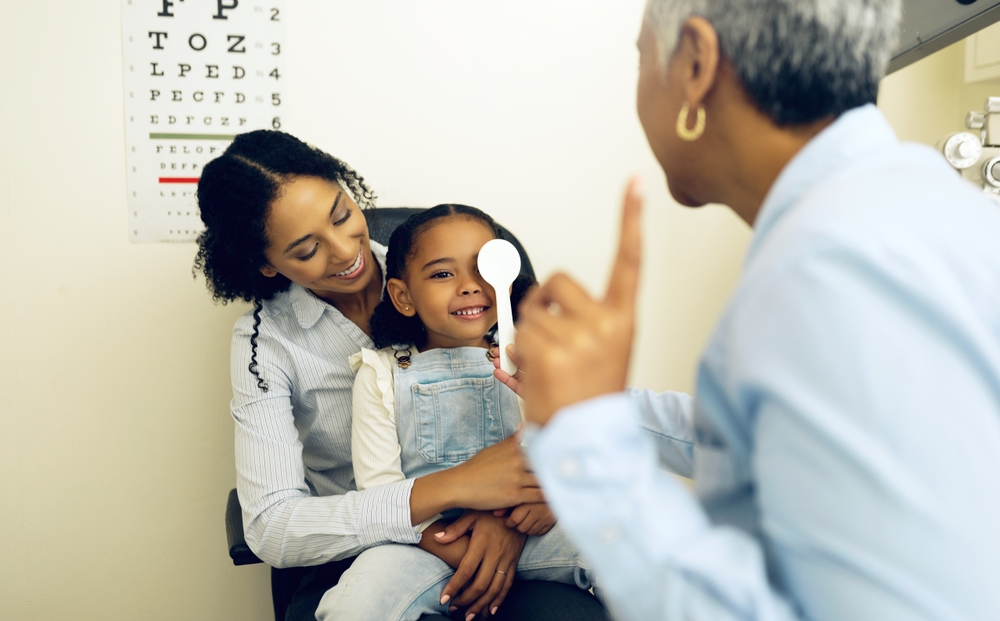
You take a seat in the exam chair as the doctor lowers the lights. The tests that follow are designed to spot common eye problems. They are quick and painless, and together they give a complete picture of your eye health. Knowing what each test does can ease your worries and help you feel at ease.
It Starts With a Conversation
Before doing anything, your doctor will ask about your vision. The doctor will want to know whether you experience any discomfort and whether your family has a history of eye conditions. This exchange takes only a moment, but it sets the course for every test that follows.
The Classic Letter Chart
You have probably seen this before: a chart on the wall with rows of letters that get smaller as you read down. This test checks how well you see things far away and helps the doctor find out if you are nearsighted, farsighted, or have astigmatism. A similar card held close checks your near vision, which can reveal presbyopia after age forty.
The Phoropter: “Which Is Better, One or Two?”
Next, you will likely look through a large device called a phoropter. The doctor switches lenses in front of your eyes and asks which one makes the letters clearer. This test helps find your exact glasses or contact lens prescription. It also shows how much vision correction you need and whether you have conditions like astigmatism. Your honest answers help the doctor get the best result.
The Slit Lamp: A Microscope for Your Eyes
You will place your chin and forehead on a padded support while the doctor shines a thin, bright beam of light into your eye. It does not hurt. Through the microscope, the doctor can see the clear dome at the front, the colored iris, the natural lens, and the moist tear film. Cataracts, dry patches, tiny scratches, and signs of swelling all become visible under that beam of light.
The Pressure Check
You may feel a quick puff of air or a gentle touch on the surface of your eye. This measures the pressure inside your eye. High pressure increases the risk of glaucoma. The test is fast and painless. Since glaucoma often has no early signs, this check is one of the most important parts of a regular exam.
Seeing Inside the Eye
Here, your doctor will likely use drops to make your pupils larger. This allows a clear view of the back of your eye. With a special lens and bright light, the doctor can check the optic nerve for glaucoma, the center of the retina for macular degeneration, and the blood vessels for signs of diabetes or high blood pressure.
Mapping the Retina
OCT imaging gives your doctor a close-up view of the retina’s inner layers. It is a fast, noninvasive scan that measures thickness and detects tiny pockets of fluid. For someone at risk of diabetic macular edema or macular degeneration, this test can reveal the earliest signs of change. You simply look into the machine, and within seconds, a detailed map appears. There is no discomfort at all.
The Visual Field Test
A visual field test measures how well you see around you while focusing on a central point. You will look into a dome and press a button whenever a tiny light blinks in your peripheral view. The results show any gaps or blind spots that may indicate glaucoma, retinal problems, or nerve damage. It requires a bit of patience but causes no discomfort.
Why a Comprehensive Eye Exam Matters
All of these tests work together to give your doctor a complete picture of your eye health. A comprehensive eye exam is often the only way to catch silent conditions like glaucoma and diabetic retinopathy early. If it has been more than a year since your last visit, think about scheduling an exam. A few simple tests can help protect your vision for years.
To gain a better understanding of how eye doctors diagnose common eye conditions, visit Brazos Eye Center in Rosenberg, Texas. Call (832) 595-3260 to book your appointment today.
https://www.cdc.gov/vision-health/about-eye-disorders/index.html
https://www.aao.org/eye-health/tips-prevention/surprising-health-conditions-eye-exam-detects
Powered by