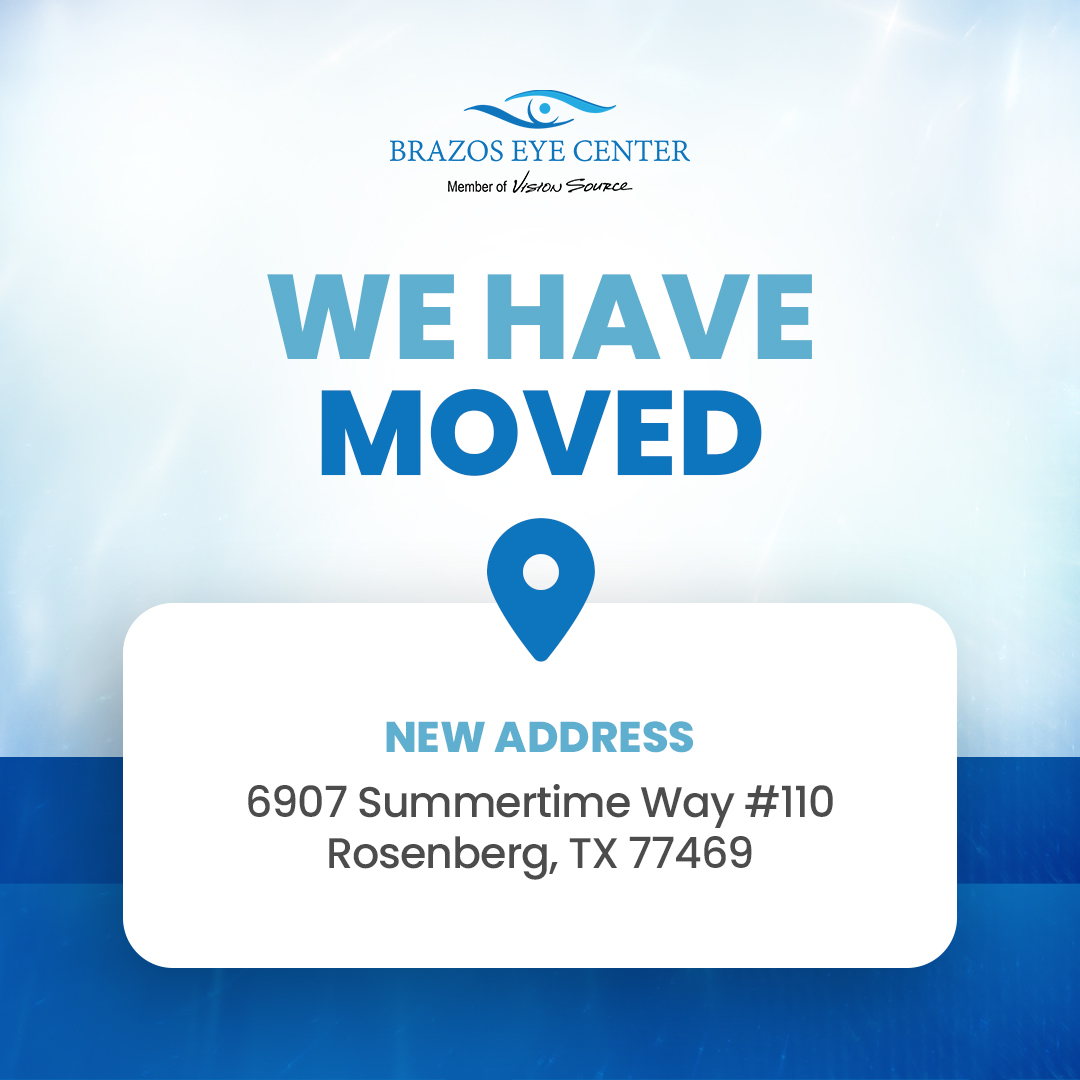
Address:
6907 Summertime Way #110
Rosenberg, TX 77469


MiSight vs. Stellest: Which Myopia Management Option May Be Right for Your Child?

When a child is nearsighted, simply updating their glasses prescription may help them see clearly, but it does not necessarily address how their myopia may progress as they grow. Myopia management focuses on slowing that progression, which may help reduce the likelihood of developing higher levels of nearsightedness later in life.
At Brazos Eye Center, we offer myopia management options for children in Rosenberg, TX, including MiSight 1 day contact lenses and Essilor Stellest lenses. Both are designed to provide clear vision while helping slow myopia progression, but they work in different ways.
How MiSight 1 Day Contact Lenses Work
MiSight 1 day lenses are soft, daily disposable contact lenses specifically designed for childhood myopia management. They use specialized optical zones that correct distance vision while creating a treatment effect intended to help slow excessive eye growth associated with worsening myopia.
Because MiSight lenses are discarded after each day of wear, there is no nightly cleaning or storage routine. They may appeal to children who are comfortable handling contact lenses and prefer not to wear glasses throughout the day.
Some potential advantages of MiSight include:
- Daily disposable convenience with no lens cleaning required
- Clear vision without wearing eyeglass frames
- Freedom for sports and other active activities
- Simultaneous vision correction and myopia management
- A soft contact lens design specifically developed for children with progressing myopia
A contact lens evaluation is important to determine whether a child can safely and comfortably wear MiSight lenses.
How Stellest Lenses Manage Myopia
Essilor Stellest lenses are eyeglass lenses designed to correct a child's nearsightedness while also slowing myopia progression. They contain a clear central area for vision correction surrounded by specialized lenslets that create myopic defocus, which helps influence how the eye grows.
Because Stellest works through traditional eyeglasses, it may be a practical choice for younger children or those who are not ready to wear contact lenses. The glasses are worn during the day like regular prescription eyewear, making treatment easy to incorporate into a child's normal routine.
MiSight vs. Stellest: What Is the Difference?
The biggest practical difference is how the treatment is worn. MiSight is a daily disposable contact lens, while Stellest is built into prescription eyeglasses.
For an active child who enjoys sports or does not want to wear glasses, MiSight may fit naturally into their lifestyle. Stellest may be preferable for a child who already wears glasses comfortably or is not interested in contact lenses.
Age, prescription, eye health, lifestyle, maturity, and the rate at which a child's myopia is progressing can all influence which option is appropriate. Neither treatment is automatically the better choice for every child.
Choosing a Myopia Management Plan for Your Child
A comprehensive eye exam allows us to evaluate your child's current prescription, eye health, and myopia progression before recommending a treatment plan. Regular follow-up visits are also important so we can monitor vision changes and determine how well treatment is controlling progression.
If your child's nearsightedness is getting stronger, schedule a myopia management evaluation with Brazos Eye Center in Rosenberg, TX, at (832) 595-3260 to find out whether MiSight, Stellest, or another myopia management option may be right for your child.
Powered by