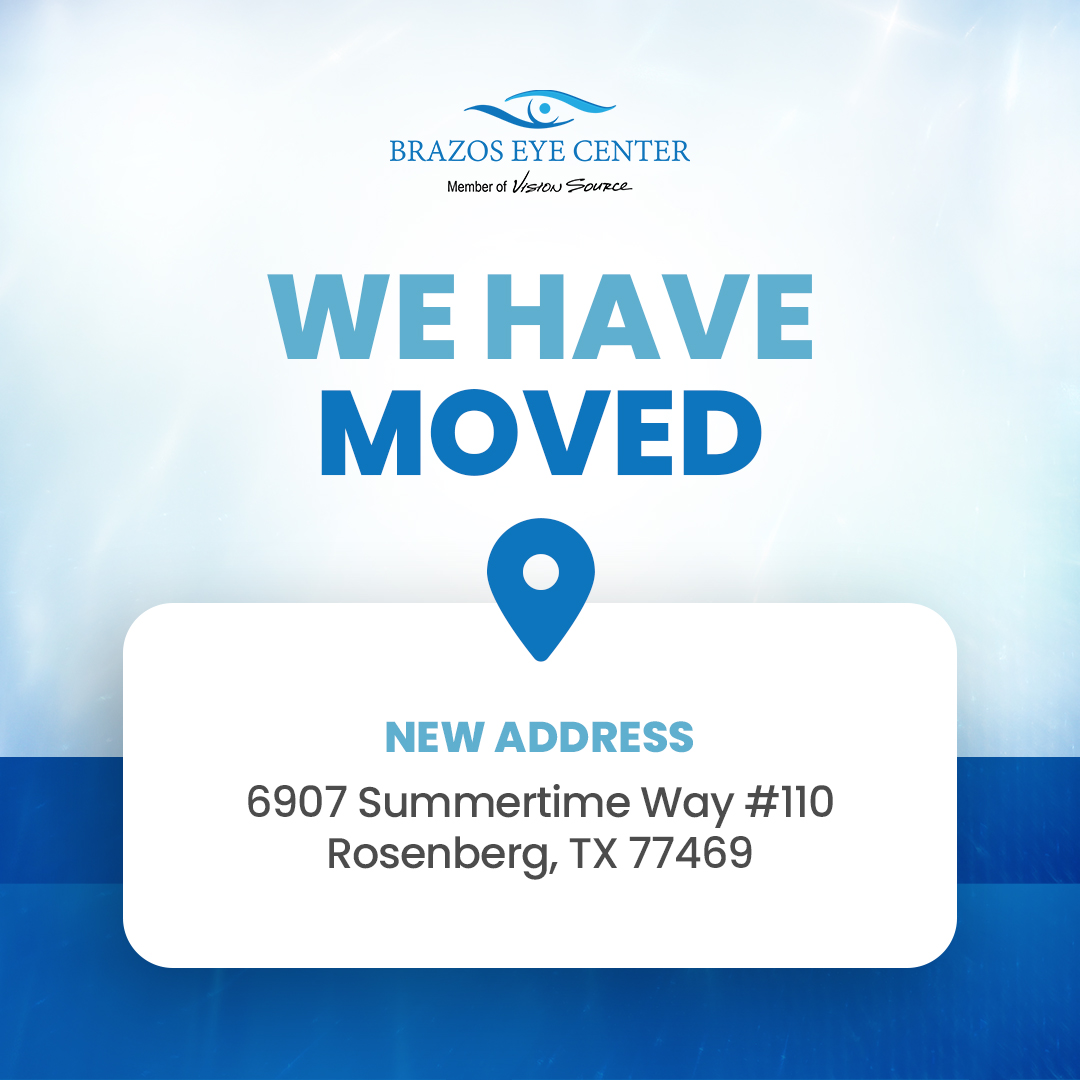
Address:
6907 Summertime Way #110
Rosenberg, TX 77469


What Makes Neurolens Different From Standard Lenses?
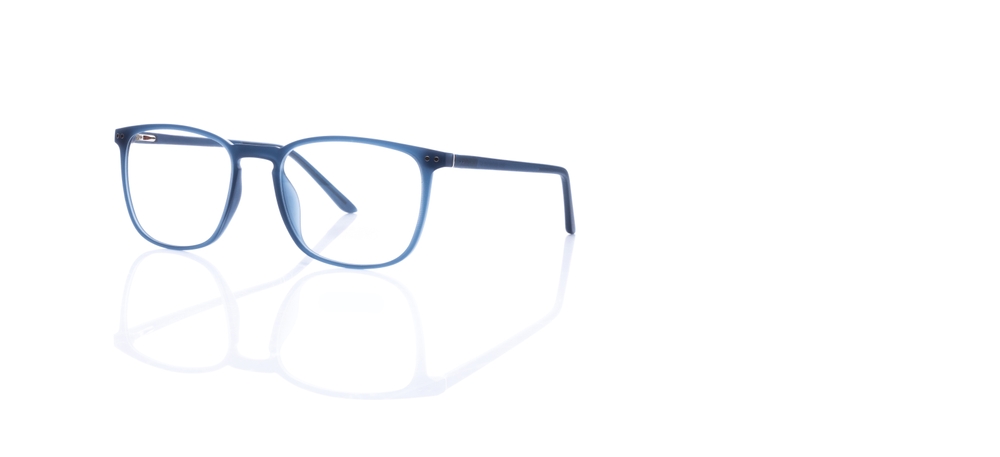
Standard prescription lenses are designed to correct refractive errors such as nearsightedness, farsightedness, and astigmatism. They help sharpen vision, but they are not specifically designed to address eye misalignment that may contribute to symptoms like headaches, eye strain, or discomfort during screen use. Brazos Eye Center lists Neurolens as one of its featured services, which suggests a more specialized option for patients with certain visual discomfort concerns.
What Makes Neurolens Different
Neurolens is different from standard lenses because it is intended to go beyond basic vision correction. While traditional lenses focus on helping you see clearly, Neurolens is associated with addressing eye alignment issues that may contribute to symptoms such as digital eye strain, tension, and visual fatigue. For patients who spend long hours reading or using screens, that difference can be important. Brazos Eye Center includes Neurolens among its core eye care offerings in Rosenberg, which points to it as a distinct service rather than a routine lens option.
Why Symptoms Matter
Not every patient needs the same type of lens. Some people see clearly with standard lenses but still deal with headaches, tired eyes, neck discomfort, or trouble focusing after extended near work. In cases like that, the question is not only whether vision is clear, but whether the eyes are working comfortably together. That is where a more specialized lens solution may come into the conversation during an eye exam.
How the Experience May Differ
The process for getting standard lenses usually starts with a routine refraction to determine your prescription. A Neurolens evaluation may involve a more specific look at how your eyes work together and whether small alignment problems are contributing to symptoms. This makes the decision more personalized. Instead of choosing lenses based only on clarity, the doctor may also consider comfort, strain, and how your eyes handle sustained close-up tasks.
Signs a Specialized Lens Option May Help
Some patients may want to ask about Neurolens if they experience:
Frequent headaches after screen use
Tired or strained eyes at the end of the day
Neck or shoulder tension linked to near work
Discomfort while reading
Symptoms that continue even with an updated prescription
These issues do not automatically mean Neurolens is the right answer, but they may be worth discussing during a comprehensive eye exam.
Choosing the Right Lens for Your Needs
The best lens option depends on your symptoms, daily habits, and exam findings. Standard lenses may be enough for patients who simply need clear distance or near vision. Neurolens may be worth considering for patients whose symptoms seem tied to eye strain or how the eyes work together. Brazos Eye Center emphasizes high-quality eye care and offers Neurolens as part of its featured services, giving patients in Rosenberg access to a broader range of vision solutions.
Why a Professional Evaluation Matters
The only way to know whether Neurolens is different in a way that matters for you is to have your eyes evaluated by an eye doctor. Brazos Eye Center is located at 24601 Southwest Freeway, Suite 600, Rosenberg, TX 77471, and the practice lists Neurolens among its available services.
To learn whether Neurolens or standard lenses are the better fit for your needs, contact Brazos Eye Center in Rosenberg, TX at (832) 595-3260.
Powered by